The Pool House
An interior shaped by water and quiet observation
Water defines the experience of this space. Not as a backdrop, but as the organising principle around which the room is understood and lived in. Within a larger family home, the indoor pool was reconsidered as more than a recreational facility becoming instead a place for gathering, observing and slowing down.
Movement, reflection and stillness coexist here. The architecture responds to these shifting states rather than imposing a fixed function, allowing the room to feel both active and calm depending on how it is used throughout the day.
Book An Initial Discussion
to arrange your local interior design consultation or call us 01273 499 200
A Room to Be With
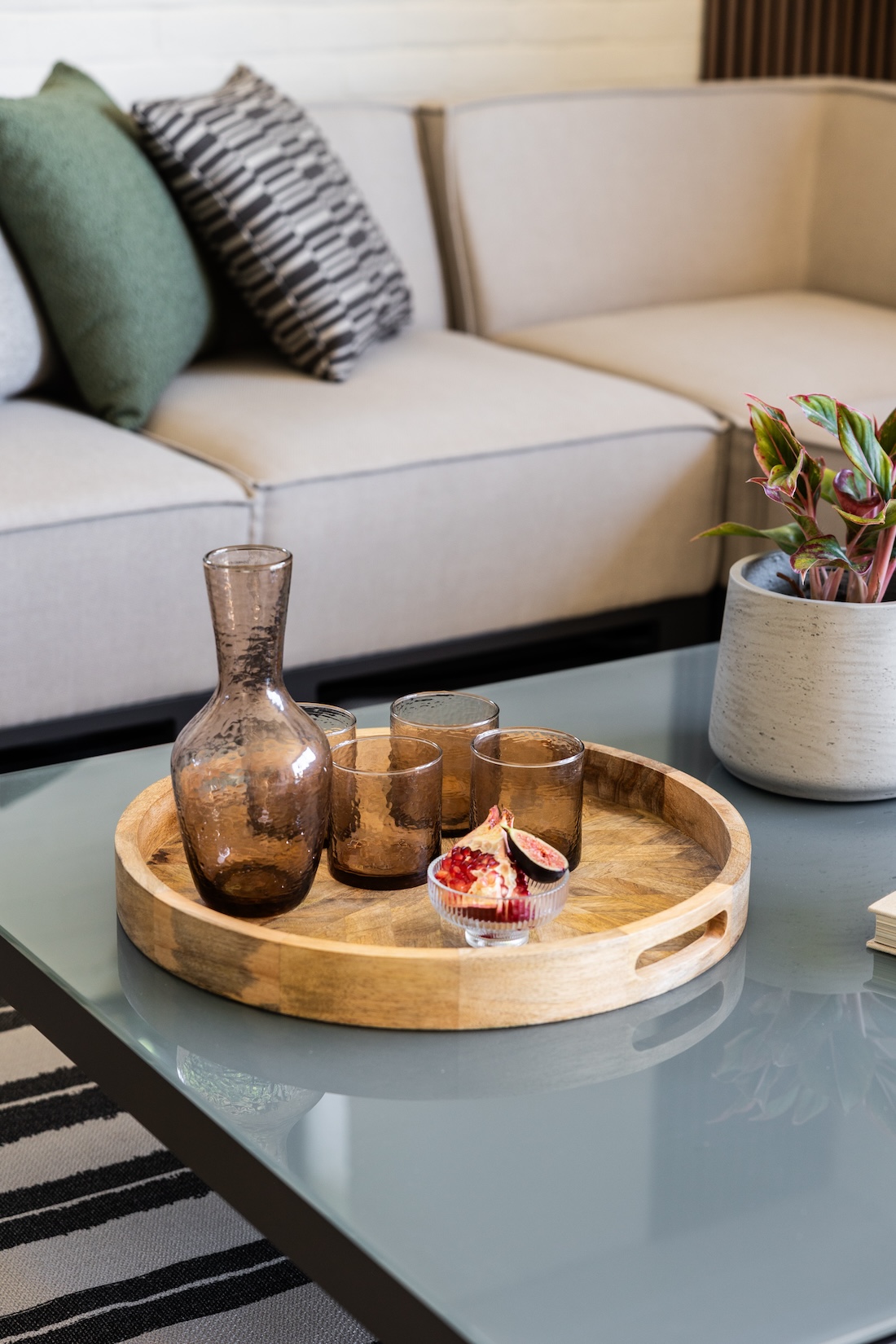
The first change was not visual, but behavioural. Instead of isolating the pool as a standalone zone, the space was opened up to accommodate presence around it. Sitting, waiting, watching – these moments were given equal importance to swimming itself.
Alongside the water’s edge, a resting point was introduced for family members to stay connected to the activity without needing to participate in it. The result is a room that supports togetherness in a quieter register: less about function, more about being present.
Small Acts of Comfort
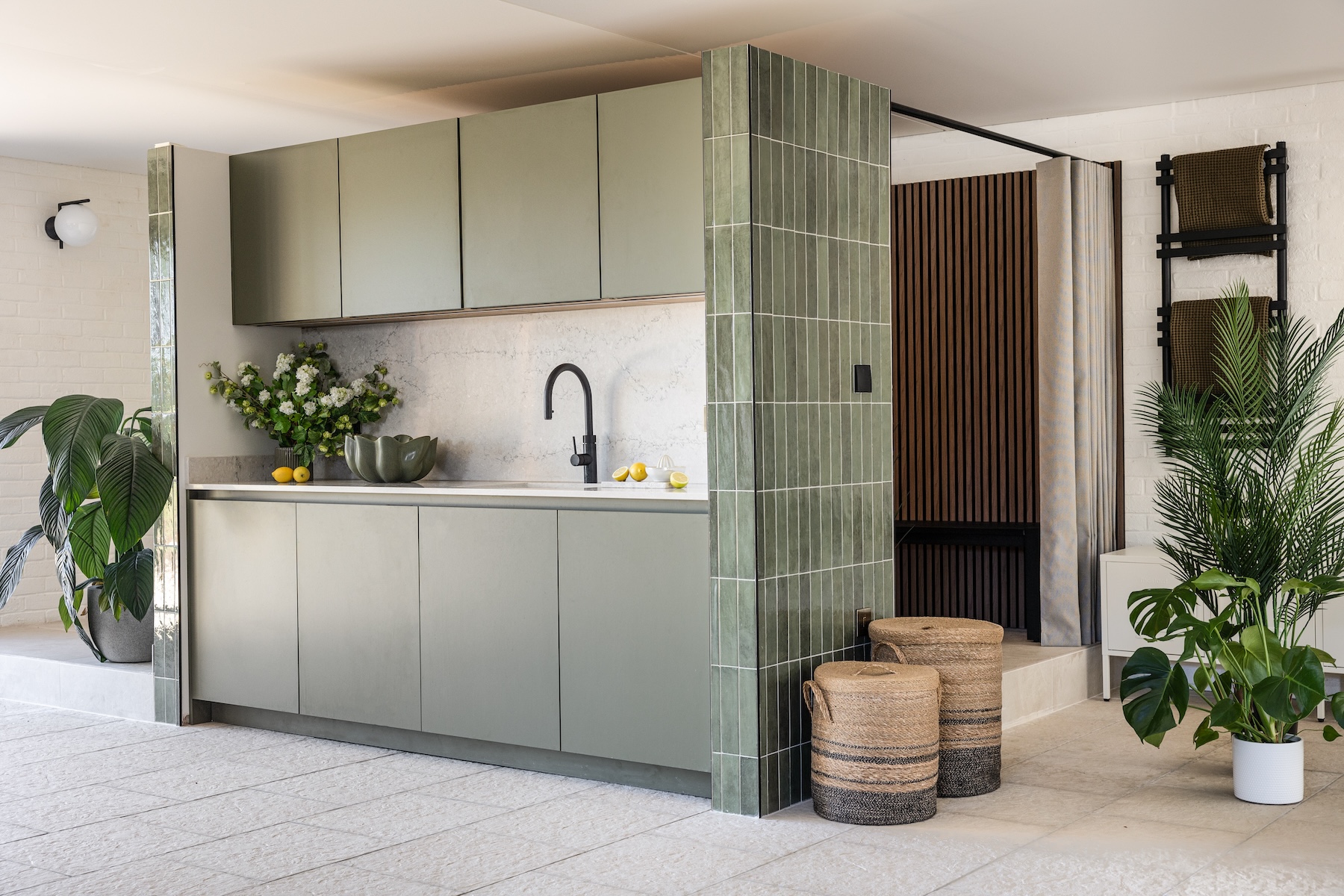
Rather than treating the pool environment as purely functional, small interventions were introduced to support longer, more comfortable use. A discreet tea station allows for pause between use, turning the space into somewhere you might linger rather than pass through.
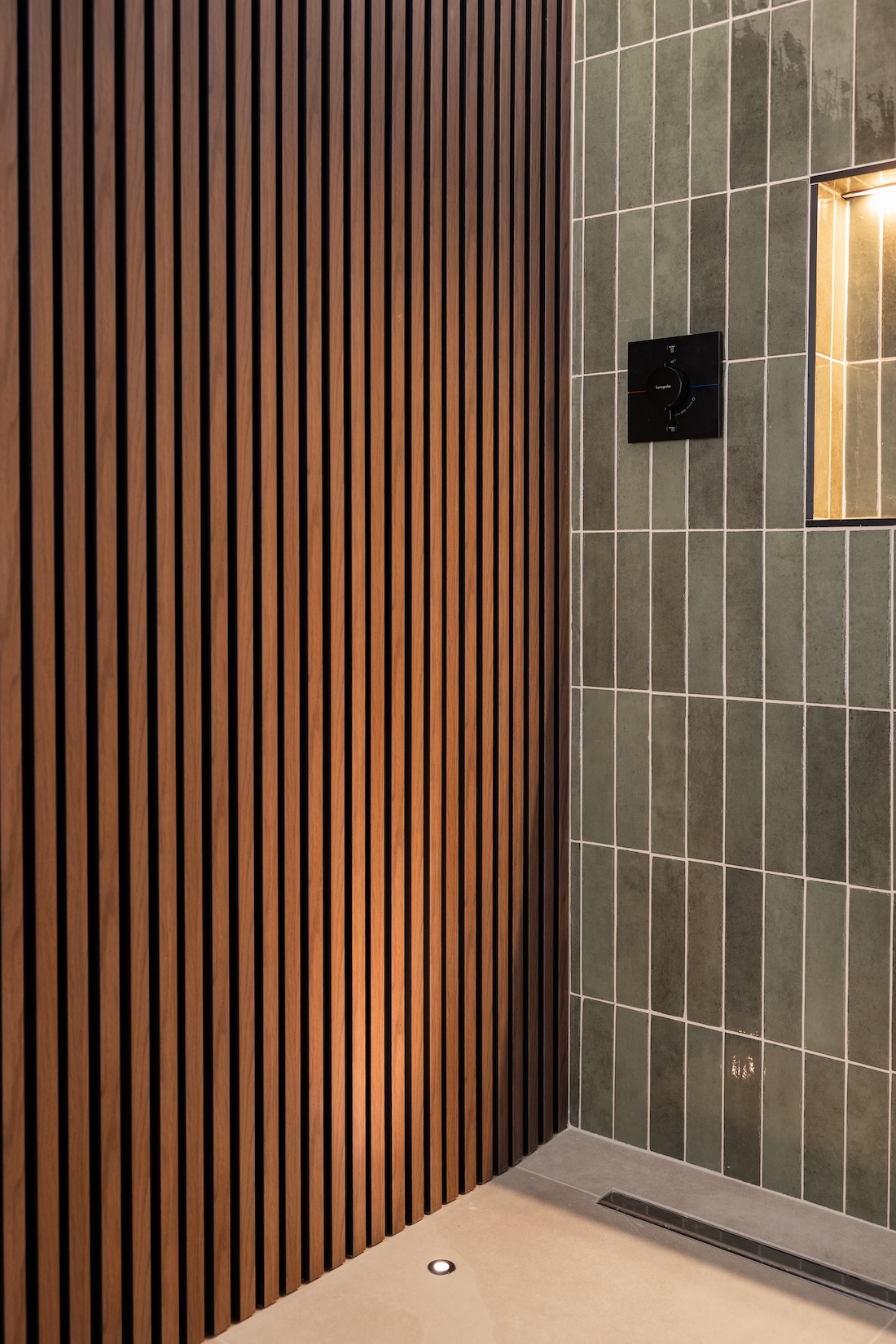
A dedicated shower was integrated into the room, positioned to support practical flow while maintaining visual restraint. These additions are subtle, but they shift the tone of the space introducing care, rhythm and ease into what was previously a singular-purpose environment.
Book An Initial Discussion
to arrange your local interior design consultation or call us 01273 499 200
Light, Surface and Atmosphere
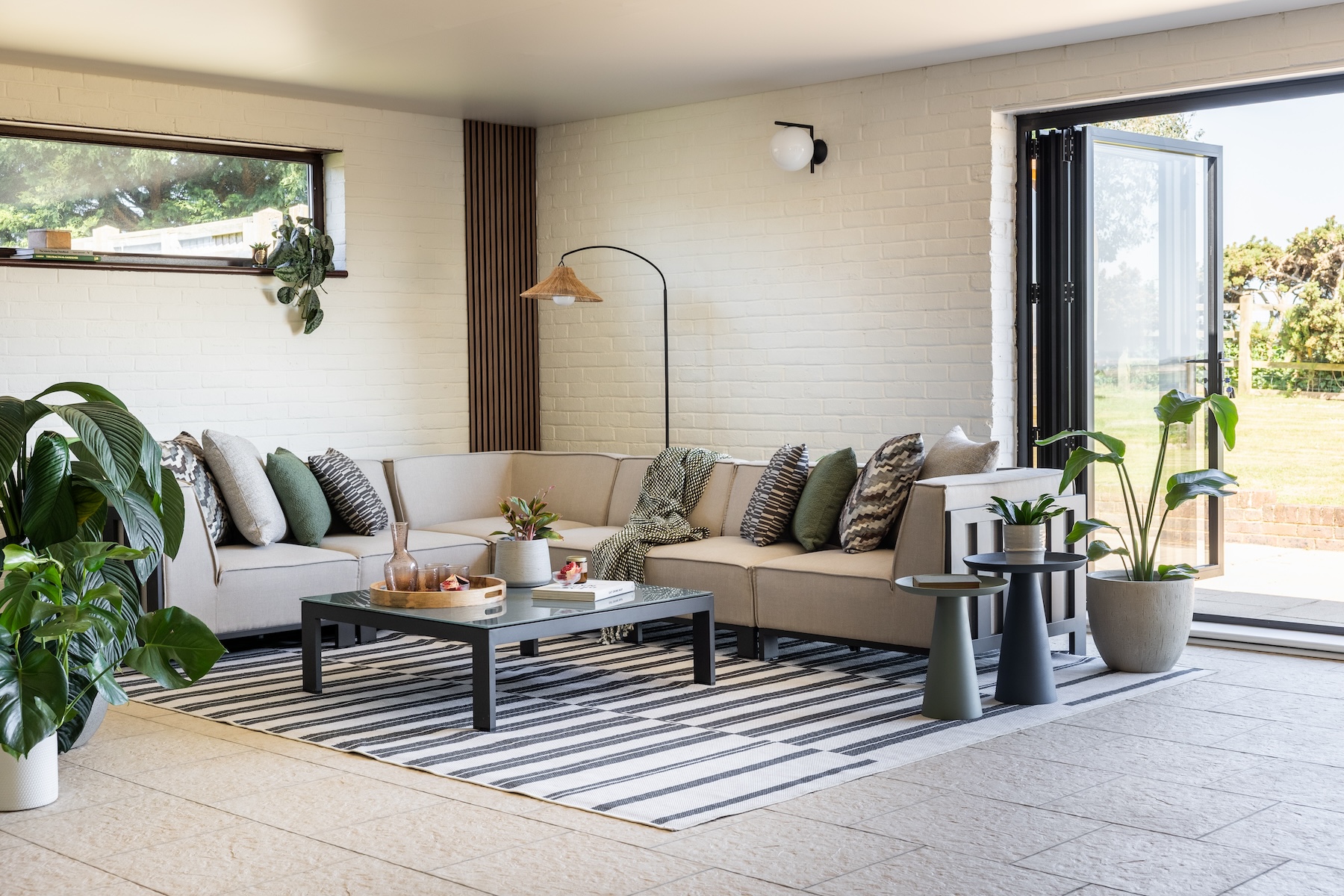
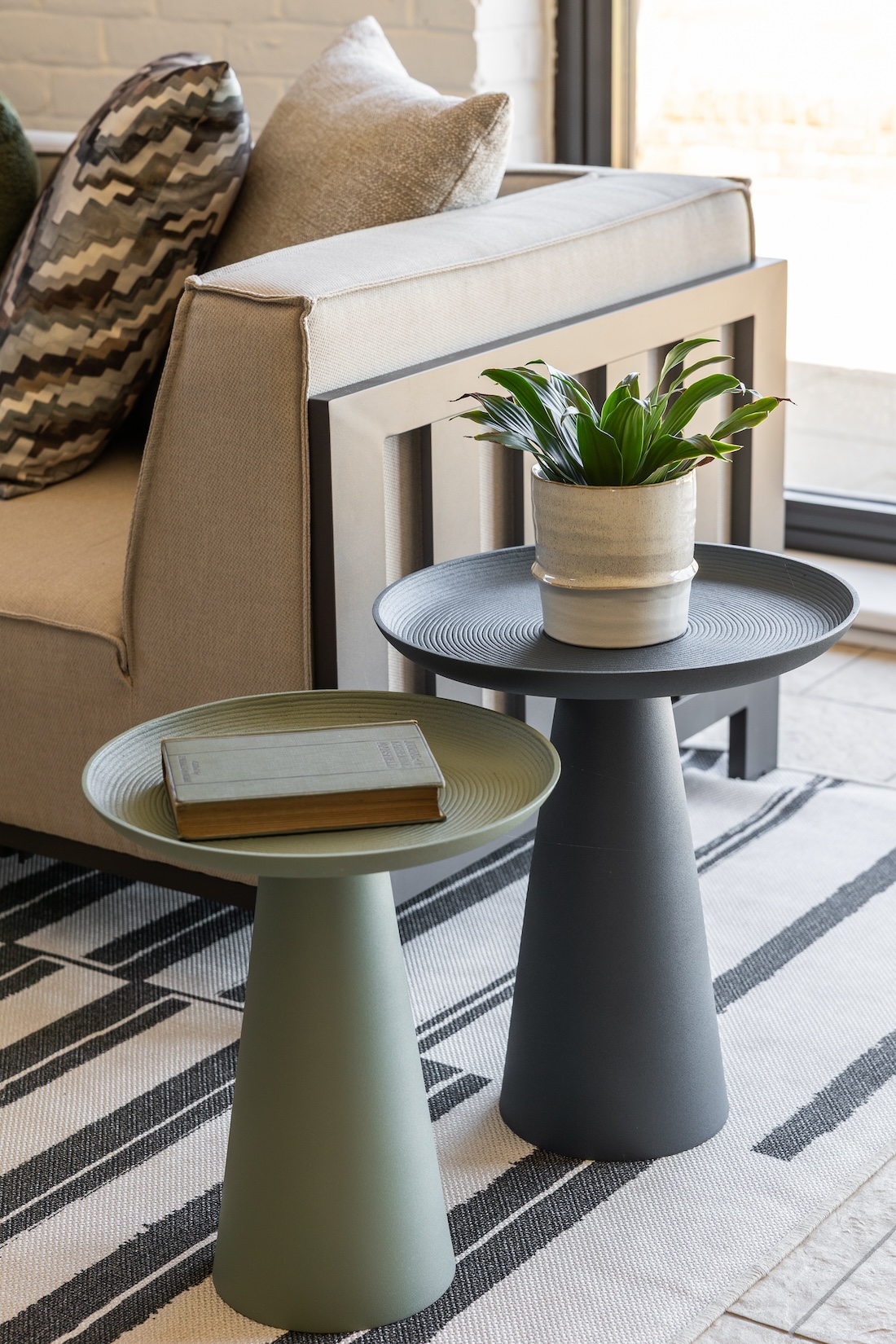
Material choices were guided by atmosphere rather than decoration. Surfaces were selected to absorb rather than amplify activity, allowing the room to feel quieter in tone even during use.
Lighting operates in layers rather than a single scheme, adjusting the perception of depth and stillness across the day. At times bright and functional, at others subdued and reflective, the space is allowed to change with its occupants rather than remain fixed in character.
Similar projects

Contact Us